Citrus Heights highlight
Historic citrus
Originally named Sylvan, the area was renamed Citrus Heights in 1910 by a developer who recognized its agricultural heritage and potential.
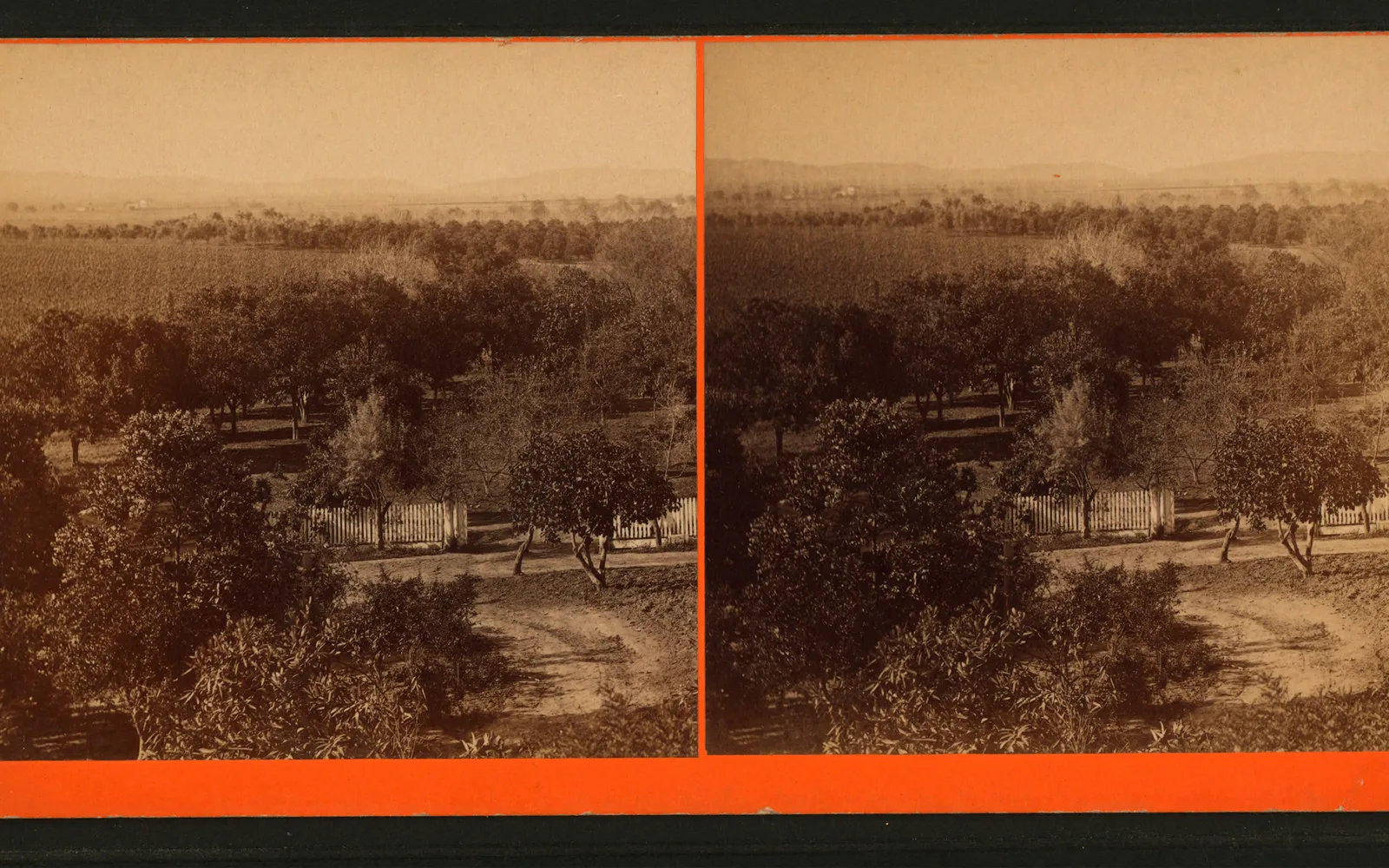
The community now known as Citrus Heights bears a name rooted in California's agricultural past. In 1910, a local real estate agent purchased the area, subdivided it into 10-acre lots, and renamed it from Sylvan to Citrus Heights—a name reflecting both the region's farming heritage and the commercial potential he saw in promoting the land. This period coincided with California's emergence as the nation's dominant citrus producer, driven by improvements in transportation and refrigeration that allowed growers to ship fresh fruit nationwide.
California's citrus industry had grown dramatically over the preceding decades. The state's first commercial citrus grower, William Wolfskill, planted his orchard in Los Angeles in 1841 and by 1862 held two-thirds of California's orange trees. The completion of transcontinental railroads in the 1870s and 1880s made commercial citrus farming viable across the state, including regions near Sacramento. Although large-scale citrus production concentrated in the southern counties of Kern, Fresno, and Riverside, the Sacramento region maintained its own agricultural character through much of the twentieth century.
That agricultural history shaped the area's identity even as it urbanized. The name Citrus Heights persists as a reminder that before suburbs and shopping centers, this was farmland where families built their livelihoods from the soil. Today's families in the community are similarly invested in building security—through stable employment, home ownership, and the planning that protects the people who depend on them.